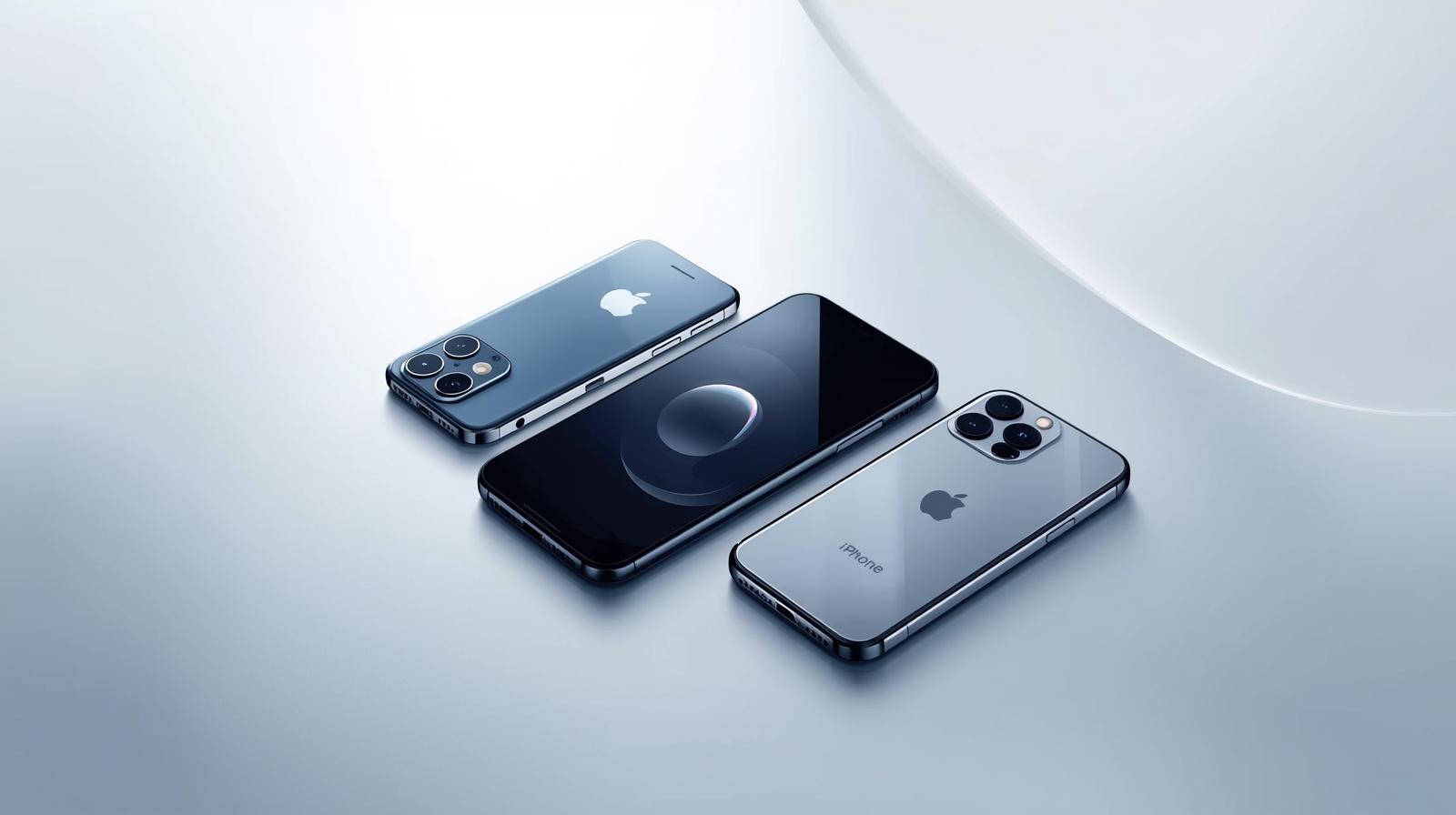
Apple has always surprised users with its iPhone strategies—but 2026 could mark one of its biggest lineup shifts ever. According to recent industry discussions and supply-chain expectations, Apple might reduce its iPhone lineup to just three models instead of the multiple variants we’re used to seeing.
If this happens, it won’t just change how Apple sells iPhones—it could change how users choose, upgrade, and even think about iPhones.
Let’s break it down in a simple, realistic way.
Why Apple May Reduce iPhone Models in 2026
Over the past few years, Apple has launched:
- Standard models
- Plus models
- Pro models
- Pro Max models
While this offers choice, it also creates confusion for buyers and complexity for Apple.
Possible reasons behind the change:
- Simpler choices for users
Many buyers struggle to understand the real difference between models. Fewer options = faster decisions. - Lower production complexity
Managing many models increases manufacturing costs and supply-chain risks. - Stronger focus on premium devices
Apple earns most of its profit from higher-end models, not budget variants.
This aligns with Apple’s long-term strategy: fewer products, higher margins, better experience.
What Could the Three iPhone Models Be?
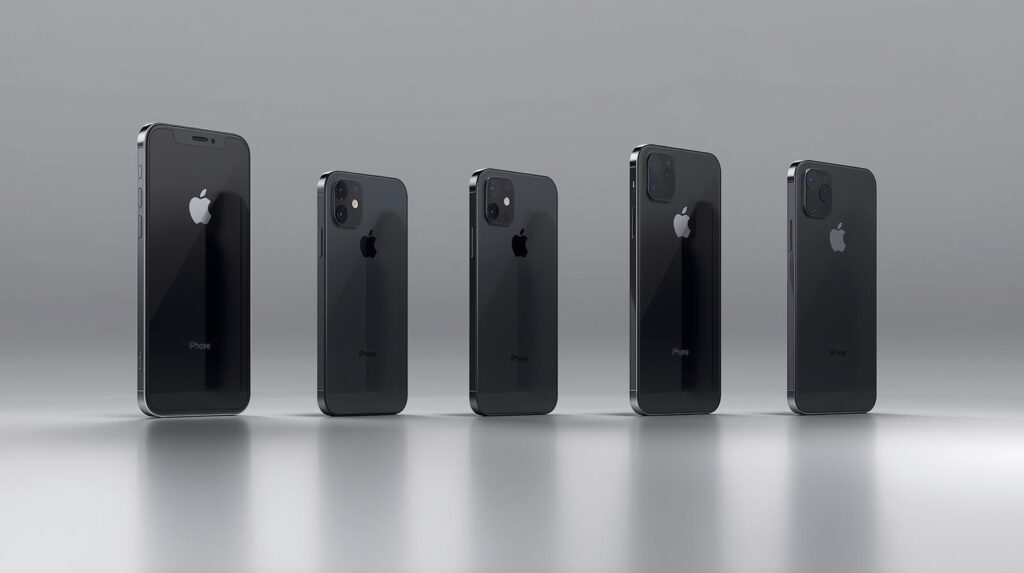
While Apple hasn’t confirmed anything, analysts speculate a structure like this:
1️⃣ Standard iPhone
- For everyday users
- Balanced performance
- Affordable (by Apple standards)
2️⃣ iPhone Pro
- Advanced camera system
- Powerful chipset
- Premium design
3️⃣ iPhone Ultra (or Pro Max replacement)
- Largest display
- Best battery life
- Exclusive features
This approach would clearly separate user types, instead of overlapping models that feel too similar.
What This Means for iPhone Buyers
If Apple launches only three iPhone models in 2026, users may actually benefit.
✅ Less confusion
You won’t need to compare 6–7 models just to pick one phone.
✅ Clear upgrade paths
Each model will have a defined purpose, making upgrades more logical.
⚠️ Possible price changes
With fewer “mid” options, entry-level prices might rise slightly—but value could improve.
How This Change Affects Apple’s Strategy
Apple is slowly shifting from:
“More models for everyone”
to
“The right model for the right user”
This strategy:
- Improves brand clarity
- Reduces internal competition between models
- Makes marketing simpler and stronger
It also matches Apple’s recent focus on long-term software support, AI integration, and ecosystem growth.
Is This Change Guaranteed?
No—this is still speculation, not official confirmation.
Apple is known for:
- Testing ideas quietly
- Changing plans based on market response
- Making last-minute decisions
However, the idea of a smaller, cleaner iPhone lineup fits Apple’s design philosophy very well.
Final Thoughts
If Apple truly launches only three iPhone models in 2026, it could be a smart move rather than a risky one. Fewer models don’t mean fewer choices—it can actually mean better clarity, better devices, and a better buying experience.
For users, the key takeaway is simple:
The future iPhone lineup may be easier to understand—and more focused than ever before.