
The way people search for information on the internet is rapidly changing. For many years, traditional search engines dominated the web. Users would type a question, receive a long list of links, and then manually open multiple websites to find the right answer.
However, in recent years, Artificial Intelligence (AI) has begun transforming the search experience. Instead of just showing links, modern AI search engines provide direct answers, summaries, and conversational responses.
Platforms like ChatGPT, Perplexity AI, and Google Gemini are leading this transformation. These tools are changing how people search for information and are gradually redefining the future of search technology.
In this article, we will explore what AI search is, how it works, and why AI search engines are becoming strong competitors to traditional search engines like Google.
What Is AI Search?
AI search refers to a new type of search technology that uses Artificial Intelligence, machine learning, and natural language processing to understand user questions and deliver precise answers.
Unlike traditional search engines that mainly provide a list of websites, AI search engines analyze information from multiple sources and present clear, summarized responses.
For example, if someone asks:
“What are the best AI tools for video editing?”
A traditional search engine might display 10–20 links.
An AI search engine, on the other hand, can provide a direct answer, explanation, and recommendations instantly.
This approach makes searching faster and more convenient for users.
How Traditional Search Engines Work
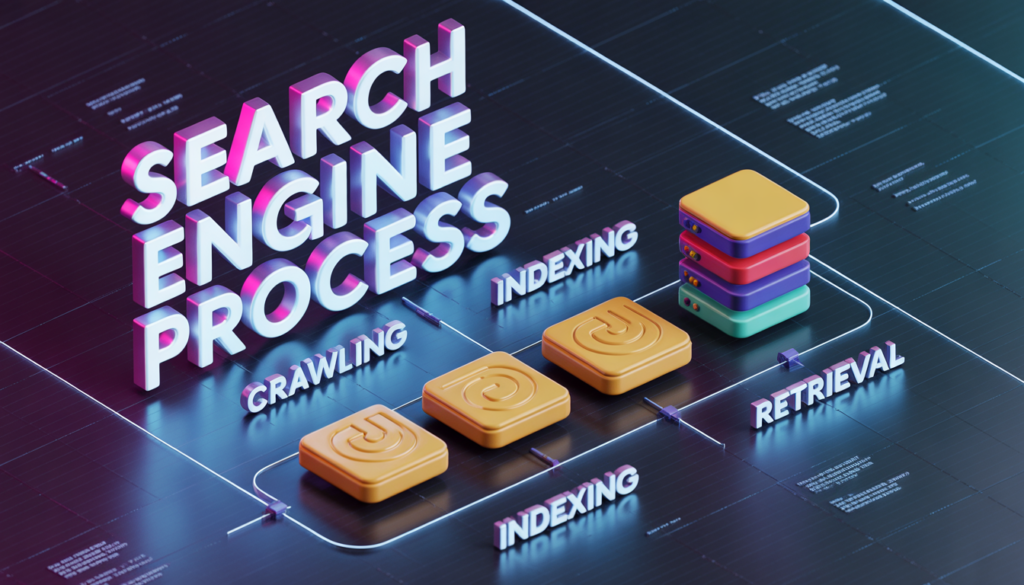
To understand AI search, it is helpful to understand how traditional search engines operate.
Traditional search engines such as Google rely on algorithms that crawl billions of web pages, index their content, and rank them based on relevance and authority.
When a user enters a query, the search engine displays a Search Engine Results Page (SERP) that includes:
- Website links
- Featured snippets
- Ads and sponsored content
- Images and videos
The user then has to click different websites to find the most useful information.
While this system has worked for decades, it can sometimes be slow and inefficient.
How AI Search Engines Work
AI search engines operate differently. They use advanced technologies such as:
- Natural Language Processing (NLP)
- Machine Learning
- Large Language Models (LLMs)
These technologies allow AI systems to understand context, intent, and complex questions.
Instead of only indexing pages, AI search engines analyze large datasets and generate meaningful answers.
For example, AI search platforms like Perplexity AI combine search results with AI-generated explanations to provide both information and references in one place.
This reduces the need to visit multiple websites.
Popular AI Search Engines in 2026
Several AI-powered search tools are becoming increasingly popular in 2026.
1. ChatGPT Search
ChatGPT has evolved into a powerful AI assistant capable of answering complex questions, summarizing articles, and helping users research topics quickly.
Many people now use it instead of traditional search engines for explanations and research.
2. Perplexity AI
Perplexity AI is designed specifically for AI-based searching. It provides direct answers along with cited sources, making it useful for research and learning.
3. Google Gemini
Google Gemini is Google’s advanced AI system integrated into search services. It aims to provide conversational responses and deeper insights.
4. Microsoft Copilot
Microsoft Copilot integrates AI-powered search with productivity tools and web browsing.
It helps users find information, generate content, and perform tasks directly from one interface.
Why AI Search Is Becoming Popular
There are several reasons why AI search engines are gaining popularity.
1. Faster Answers
AI search engines provide immediate explanations instead of requiring users to open multiple links.
2. Better Understanding of Questions
AI systems understand natural language queries better than traditional search engines.
Users can ask complex questions such as:
- “Explain quantum computing in simple words”
- “Best laptops for students under $1000”
AI search engines provide detailed answers instantly.
3. Personalized Search Experience
AI systems can learn from user behavior and provide more relevant results over time.
This personalization improves the overall search experience.
4. Conversational Interaction
AI search allows users to ask follow-up questions in a conversation format.
For example:
User: “What is AI?”
AI: Provides explanation.
User: “How is AI used in smartphones?”
The system continues the conversation naturally.
Are AI Search Engines Replacing Google?
AI search engines are not completely replacing traditional search engines yet, but they are changing how people search online.
Traditional search engines still have advantages such as:
- Massive web indexing
- Reliable ranking systems
- Access to billions of pages
However, AI search tools provide a more efficient and interactive way to find information.
This is why companies like Google, Microsoft, and OpenAI are investing heavily in AI-powered search technology.
Challenges of AI Search
Despite its advantages, AI search technology still faces some challenges.
1. Accuracy Issues
AI-generated responses may sometimes contain incorrect or outdated information.
2. Source Transparency
Some AI answers do not clearly show the original sources of information.
3. Content Creator Impact
AI summaries may reduce website traffic because users may not need to click external links.
These challenges are actively being addressed as AI technology continues to improve.
The Future of AI Search
The future of search technology is likely to combine traditional search engines with AI-powered assistants.
Instead of replacing search engines completely, AI will enhance them by providing:
- Faster summaries
- Personalized recommendations
- Conversational search experiences
Search will become more interactive, intelligent, and efficient.
Experts predict that AI-powered assistants will eventually become the primary interface for accessing information online.
Conclusion
Artificial Intelligence is revolutionizing how people search for information online. AI search engines are making the process faster, more interactive, and easier to use.
Tools such as ChatGPT, Perplexity AI, and Google Gemini are leading the shift toward a smarter search experience.
While traditional search engines like Google remain dominant, AI-powered search tools are clearly shaping the future of how we find information on the internet.
As technology continues to evolve, AI search will likely become an essential part of our daily digital lives.
FAQ
1. What is AI search?
AI search is a technology that uses artificial intelligence to understand user questions and provide direct answers instead of only showing website links.
2. Which AI search engines are popular?
Popular AI search platforms include ChatGPT, Perplexity AI, and Microsoft Copilot.
3. Will AI replace Google?
AI will likely enhance traditional search engines rather than completely replace them.