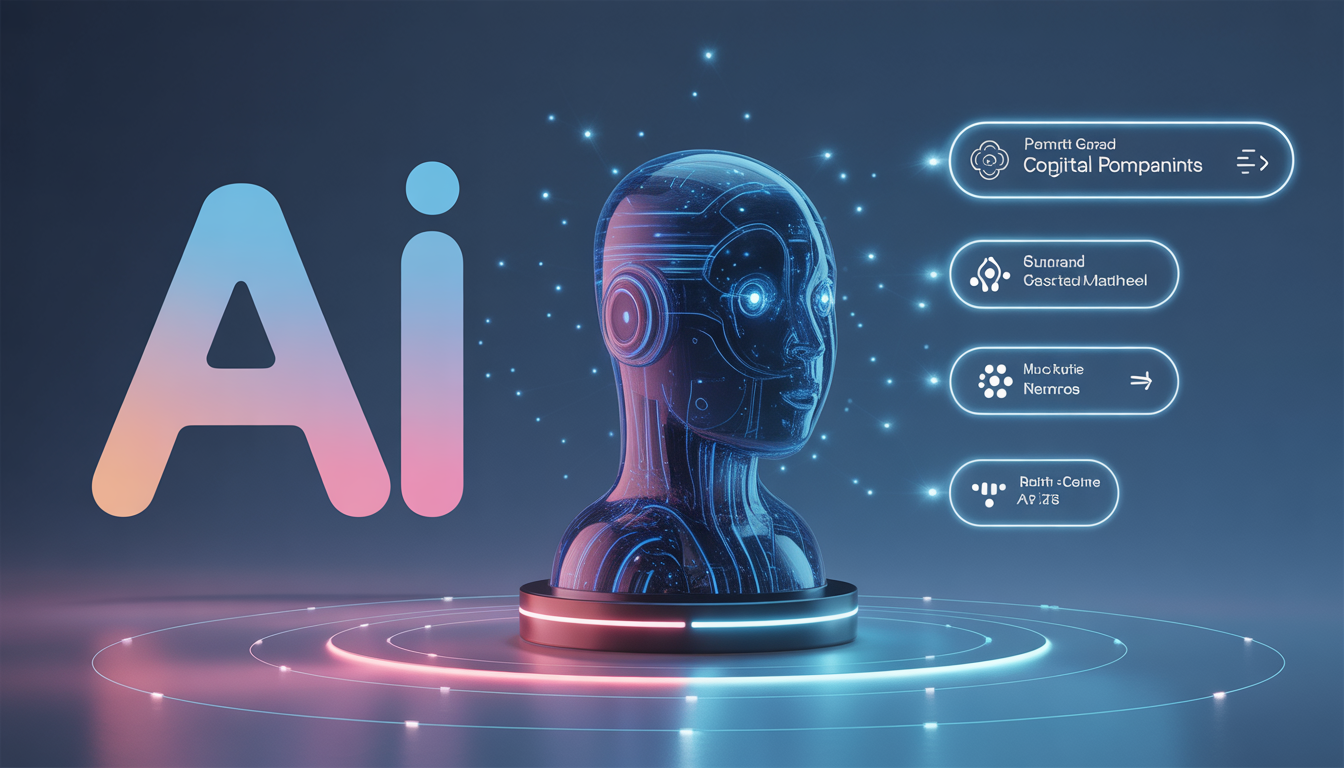
Artificial Intelligence is rapidly transforming the way we interact with technology. From simple voice commands to intelligent automation, AI has already become a part of our daily lives. But now, we are entering a new era — AI Personal Assistants 2.0, where digital companions are not just tools, but smart, adaptive, and human-like assistants.
Popular assistants like Siri, Google Assistant, and Amazon Alexa have already changed how we use smartphones and smart devices. However, the next generation of AI assistants will go far beyond basic tasks — they will understand emotions, predict needs, and act proactively.
In this article, we will explore what AI Personal Assistants 2.0 are, how they work, and how they will shape the future of digital interaction.
What Are AI Personal Assistants 2.0?
AI Personal Assistants 2.0 are advanced digital systems powered by artificial intelligence that can learn from users, adapt to behavior, and perform complex tasks automatically.
Unlike traditional assistants, which respond only when you give commands, AI 2.0 assistants can:
- Understand context and intent
- Learn user habits over time
- Predict future actions
- Communicate in a more natural, human-like way
These assistants are designed to become true digital companions, helping users in both personal and professional life.
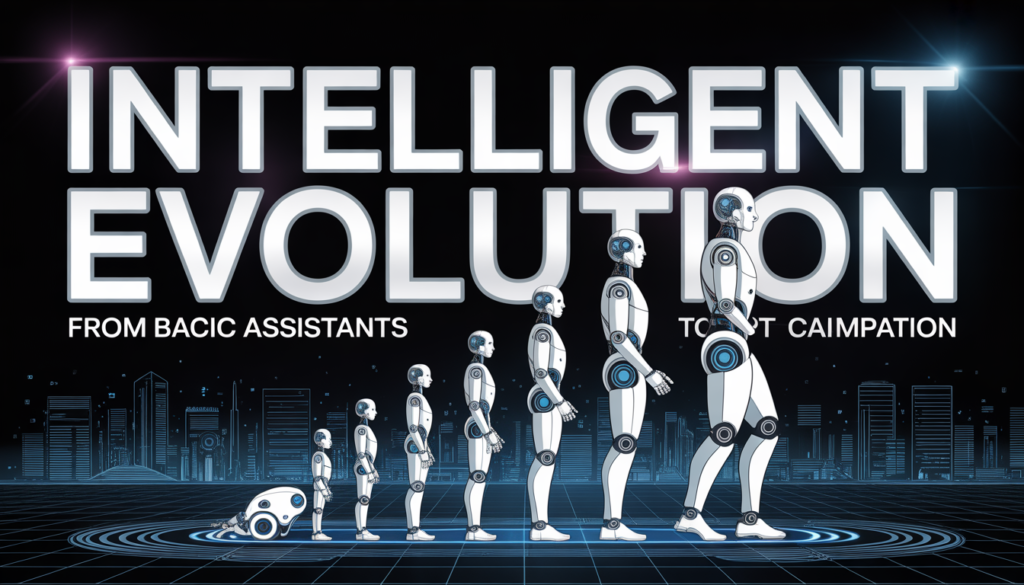
Evolution: From Basic Assistants to Smart Companions
1. First Generation (Basic Assistants)
Early AI assistants could perform simple tasks like:
- Setting alarms
- Sending messages
- Answering basic questions
They relied on fixed commands and had limited understanding.
2. Current Generation (Smart Assistants)
Today’s assistants, like Siri and Google Assistant, can:
- Understand voice commands better
- Control smart home devices
- Provide personalized suggestions
However, they still depend heavily on user input.
3. AI Assistants 2.0 (Future)
The next generation will:
- Act without being asked
- Understand emotions and tone
- Manage complex workflows
- Become deeply integrated into daily life
This shift marks the transition from tools to companions.
Key Features of AI Personal Assistants 2.0
1. Context Awareness
AI assistants will understand the context of conversations, not just individual commands.
For example:
If you say, “Book a table,” the assistant will know:
- Your preferred restaurant
- Your usual dining time
- Your location
This level of understanding makes interactions smoother and faster.
2. Predictive Intelligence
Future assistants will not wait for instructions. Instead, they will predict what you need.
Examples:
- Suggesting meetings based on your schedule
- Reminding you about tasks before deadlines
- Preparing daily summaries automatically
This feature can save time and increase productivity.
3. Emotional Intelligence
AI 2.0 assistants will be able to detect emotions from voice, text, or facial expressions.
For instance:
- If you sound stressed, the assistant may suggest a break
- If you seem tired, it may adjust your schedule
This creates a more human-like interaction experience.
4. Multi-Device Integration
AI assistants will work seamlessly across devices such as:
- Smartphones
- Laptops
- Smart TVs
- Wearable devices
Companies like Apple, Google, and Amazon are already building ecosystems where devices are connected through AI.
5. Task Automation
AI Personal Assistants 2.0 will automate complex tasks such as:
- Booking travel
- Managing emails
- Handling finances
- Scheduling meetings
This reduces manual effort and improves efficiency.
Real-World Applications
1. Smart Homes
AI assistants will control lighting, temperature, and security systems automatically based on your preferences.
For example, lights can turn on when you enter a room, and the temperature can adjust based on your comfort level.
2. Healthcare Support
AI assistants can help monitor health by:
- Tracking daily activity
- Reminding users to take medication
- Providing health insights
This is especially useful for elderly users.
3. Education
Students can use AI assistants to:
- Get instant answers
- Plan study schedules
- Receive personalized learning support
This makes learning more efficient and interactive.
4. Business Productivity
In workplaces, AI assistants can:
- Manage calendars
- Summarize meetings
- Analyze data
This helps professionals save time and focus on important tasks.
Benefits of AI Personal Assistants 2.0
✔ Increased Productivity
AI assistants handle repetitive tasks, allowing users to focus on more important work.
✔ Better Time Management
They help organize schedules and reduce missed deadlines.
✔ Personalized Experience
AI learns user preferences and provides customized recommendations.
✔ Improved Accessibility
People with disabilities can benefit from voice-based and intelligent assistance.
Challenges and Concerns
🔒 Privacy Issues
AI assistants collect personal data to function effectively. This raises concerns about data security.
⚠️ Over-Dependence
Users may become too dependent on AI, reducing their ability to perform tasks independently.
💻 Technical Limitations
Despite advancements, AI still struggles with complex human emotions and unpredictable situations.
The Future of Smart Digital Companions
The future of AI Personal Assistants 2.0 is incredibly promising. With advancements in machine learning and natural language processing, these assistants will become:
- More human-like
- More intelligent
- More reliable
Companies like OpenAI, Microsoft, and Meta are investing heavily in AI technologies that will shape this future.
In the next 5–10 years, AI assistants could become an essential part of everyday life — almost like a digital partner.
Conclusion
AI Personal Assistants 2.0 represent a major leap forward in technology. They are no longer just tools that respond to commands — they are becoming intelligent companions that understand, learn, and act proactively.
As technology continues to evolve, these assistants will play a crucial role in simplifying our lives, improving productivity, and enhancing digital experiences.
The future is not just about smart devices — it’s about smart companions that truly understand us.
FAQ (Frequently Asked Questions)
1. What are AI Personal Assistants 2.0?
They are advanced AI systems that can learn user behavior, predict needs, and perform tasks automatically.
2. How are they different from current AI assistants?
They are more intelligent, proactive, and capable of understanding context and emotions.
3. Are AI assistants safe to use?
Yes, but users should be aware of privacy settings and data usage.
4. Can AI assistants replace humans?
No, they are designed to assist humans, not replace them.
5. When will AI Personal Assistants 2.0 become common?
They are expected to become widely used within the next decade as AI technology continues to grow.