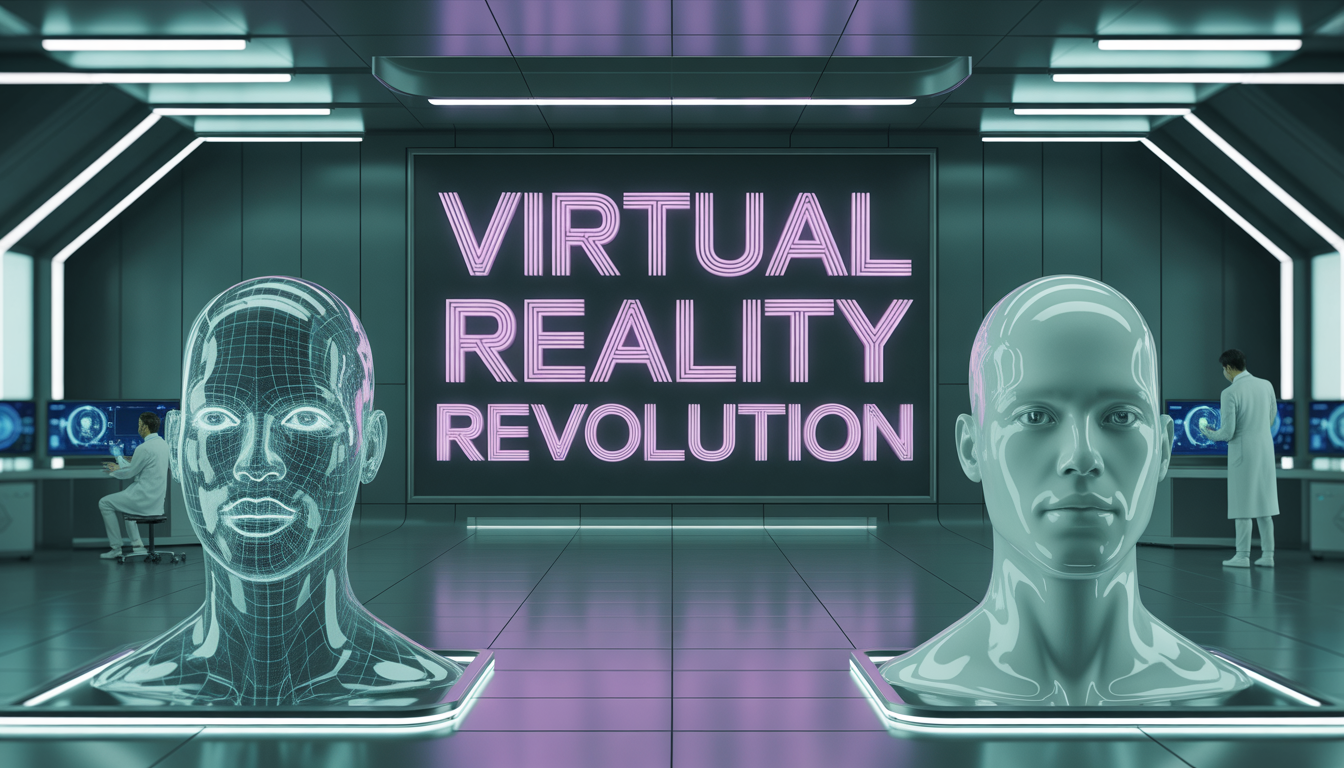
Artificial Intelligence is evolving rapidly, and one of its most fascinating innovations is AI cloning technology. Imagine a digital version of yourself that can speak, act, and even think like you. This is no longer science fiction—it’s becoming reality.
Companies like OpenAI, Meta, and Microsoft are actively developing technologies that can replicate human voices, faces, and behaviors. Tools such as Synthesia and Reface are already giving us a glimpse into this future.
In this article, we will explore how AI cloning works, its applications, benefits, risks, and what it means for the future of humanity.
What Is AI Cloning Technology?
AI cloning technology refers to the ability of artificial intelligence to create a digital replica of a human being. This includes:
- Voice cloning
- Face and appearance replication
- Behavioral simulation
- Personality modeling
The goal is to create a digital human that behaves almost exactly like the real person.
Types of AI Cloning
1. Voice Cloning
AI can replicate a person’s voice using just a few seconds of audio.
This technology can:
- Mimic tone, pitch, and accent
- Generate speech in real time
- Speak multiple languages
2. Visual Cloning (Face & Body)
AI can recreate a person’s face and expressions.
This is used in:
- Deepfake videos
- Virtual influencers
- Digital avatars
3. Personality Cloning
This is the most advanced form of AI cloning.
AI learns:
- Your speaking style
- Your behavior patterns
- Your decision-making process
The result is a digital version of your personality.
How AI Cloning Works
AI cloning uses several advanced technologies:
1. Machine Learning
AI models are trained on large datasets of human voices, images, and behaviors.
2. Deep Learning
Neural networks analyze patterns in speech and visuals to replicate them accurately.
3. Natural Language Processing (NLP)
AI understands and generates human-like conversations.
4. Generative AI
Generative models create new content based on learned data.
Organizations like Google are heavily investing in generative AI technologies.
Real-World Applications of AI Cloning
1. Content Creation
Creators can use AI clones to:
- Make videos without appearing on camera
- Generate voiceovers
- Create digital influencers
Platforms like YouTube and Instagram are already seeing AI-generated personalities gaining popularity.
2. Customer Service
Businesses use AI clones for:
- Virtual assistants
- Customer support agents
- Personalized communication
3. Entertainment Industry
AI cloning is used in:
- Movies and VFX
- Video games
- Digital actors
Actors can be digitally recreated even after retirement.
4. Education and Training
AI clones can act as:
- Virtual teachers
- Language tutors
- Training instructors
5. Healthcare and Therapy
AI clones can assist in:
- Mental health support
- Therapy sessions
- Patient interaction
Benefits of AI Cloning Technology
✔ Time Saving
AI clones can work 24/7 without fatigue.
✔ Cost Efficiency
Reduces the need for hiring multiple professionals.
✔ Scalability
One person can have multiple digital versions working simultaneously.
✔ Personal Branding
Creators can build a strong online presence using AI avatars.
Risks and Challenges
⚠️ Deepfake Misuse
AI cloning can be used to create fake videos and spread misinformation.
🔒 Privacy Concerns
Your data (voice, face) can be misused without consent.
⚖️ Ethical Issues
Who owns a digital clone? This raises serious legal questions.
💼 Job Displacement
Some jobs may be replaced by AI clones.
AI Cloning vs Traditional Identity
| Aspect | Human Identity | AI Clone |
|---|---|---|
| Physical Presence | Real | Virtual |
| Emotions | Natural | Simulated |
| Availability | Limited | 24/7 |
| Scalability | Single | Multiple copies |
| Control | Self-controlled | Developer-controlled |
The Future of AI Cloning
The future of AI cloning is both exciting and complex.
We may soon see:
- Digital twins for every individual
- AI influencers dominating social media
- Virtual employees in companies
- AI versions of historical figures
Companies like NVIDIA are working on hyper-realistic digital humans.
Ethical Considerations
AI cloning raises important ethical questions:
- Should AI clones require permission?
- Can someone own your digital identity?
- What happens after a person dies?
Governments and organizations are working to create regulations.
Conclusion
AI cloning technology is transforming the way we interact with digital content. It allows us to create realistic digital humans that can communicate, perform, and even think like real people.
While the technology offers incredible opportunities, it also comes with serious ethical and security challenges. The key is to use it responsibly.
AI cloning is not just the future—it is already here. The question is: how will you use it?
FAQ (Frequently Asked Questions)
1. What is AI cloning technology?
AI cloning is the process of creating a digital replica of a human using artificial intelligence.
2. Is AI cloning legal?
It depends on the country and usage. Consent is usually required.
3. Can AI fully replace humans?
No, AI can simulate humans but cannot fully replace human emotions and consciousness.
4. What are deepfakes?
Deepfakes are AI-generated videos that mimic real people, often used for entertainment or misuse.
5. How can creators benefit from AI cloning?
They can create content faster, build digital personas, and scale their online presence.