Introduction
Artificial Intelligence is no longer limited to smartphones and computers—it is now becoming a part of what we wear every day. From smart glasses that enhance how we see the world to AI-powered health devices that monitor our bodies in real time, wearable technology is evolving rapidly in 2026.
These devices are not just futuristic gadgets—they are practical tools that improve productivity, health, and daily life. In this article, we will explore how AI-powered wearable devices are transforming industries and changing the way humans interact with technology.
What Are AI-Powered Wearable Devices?
AI-powered wearable devices are smart electronic gadgets that you can wear on your body. These devices use artificial intelligence to collect data, analyze it, and provide useful insights in real time.
Common Examples:
- Smart glasses
- Fitness trackers
- Smartwatches
- AI health monitoring devices
Unlike traditional wearables, AI-powered devices can learn from your behavior and adapt to your needs. This makes them more personalized and efficient.
Smart Glasses: The Future of Vision Technology
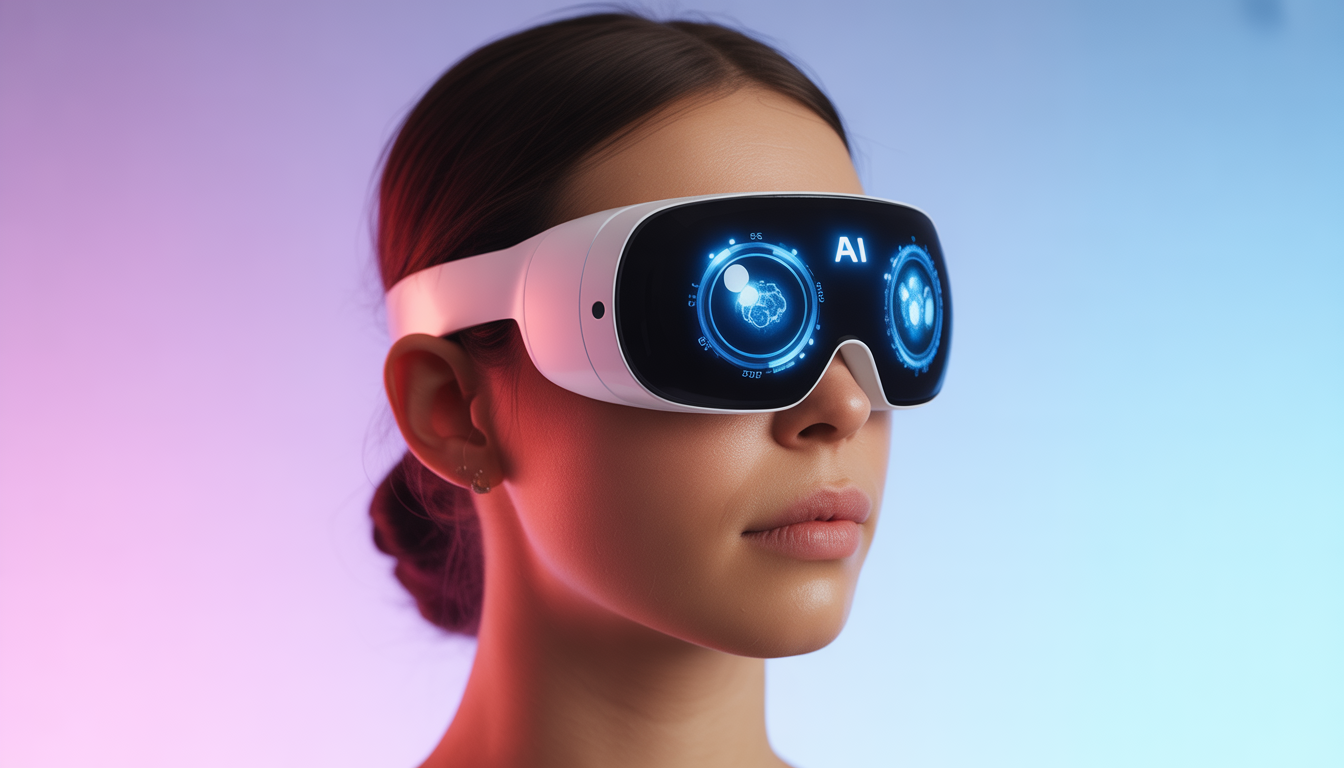
Smart glasses are one of the most exciting innovations in wearable technology. These devices combine augmented reality (AR) with AI to provide a completely new way of interacting with the world.
Key Features of Smart Glasses
1. Augmented Reality Display
Smart glasses overlay digital information on the real world. For example:
- Navigation directions while walking
- Real-time translation of text
- Notifications without checking your phone
2. Voice-Controlled AI Assistant
Users can interact with smart glasses using voice commands. This allows hands-free operation, making it perfect for multitasking.
3. Real-Time Information Processing
AI analyzes the environment and provides instant feedback. For example:
- Identifying objects
- Recognizing faces
- Providing contextual information
4. Camera Integration
Most smart glasses come with built-in cameras that can:
- Capture photos and videos
- Stream live content
- Support AI-based image recognition
Use Cases of Smart Glasses
1. Healthcare
Doctors can use smart glasses during surgeries to access patient data without looking away.
2. Education
Students can experience interactive learning through AR-based lessons.
3. Navigation
Users can get real-time directions directly in their field of vision.
4. Business and Productivity
Employees can attend virtual meetings or access work data hands-free.
AI Health Tech Wearables: Revolutionizing Healthcare
AI-powered health wearables are transforming how we monitor and manage our health. These devices provide continuous tracking and early detection of potential health issues.
Key Features of AI Health Wearables
1. Real-Time Health Monitoring
Devices can track:
- Heart rate
- Blood oxygen levels
- Sleep patterns
- Physical activity
2. Predictive Health Analysis
AI analyzes collected data to predict health risks such as:
- Heart disease
- Stress levels
- Sleep disorders
3. Personalized Recommendations
Based on your data, the device can suggest:
- Exercise routines
- Diet plans
- Sleep improvements
4. Emergency Alerts
Some devices can detect unusual patterns and send alerts to:
- Users
- Family members
- Medical professionals
Popular Types of AI Health Wearables
Smartwatches
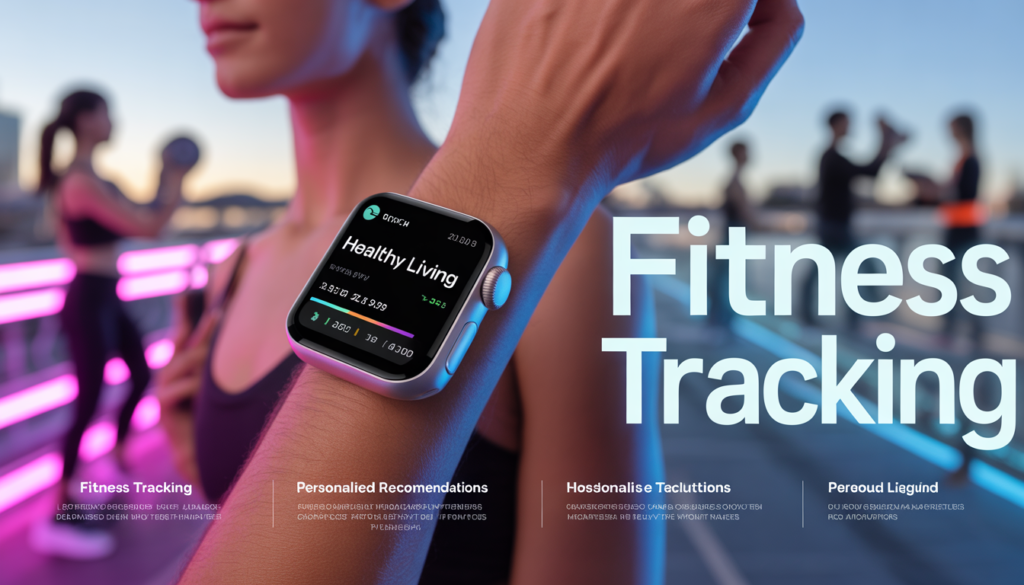
Modern smartwatches are equipped with advanced sensors and AI algorithms to track health metrics.
Fitness Bands
These devices focus on activity tracking and basic health monitoring.
Smart Rings
Compact devices that provide powerful health insights without being bulky.
Wearable ECG Monitors
Used for detailed heart monitoring and medical-grade analysis.
Benefits of AI-Powered Wearable Devices
✅ Convenience
Wearable devices are easy to use and provide instant access to important information.
✅ Improved Health Awareness
Users can better understand their bodies and take preventive measures.
✅ Increased Productivity
Smart glasses and AI assistants help users multitask efficiently.
✅ Personalization
AI adapts to user behavior, offering customized experiences.
Challenges and Limitations
While AI-powered wearables offer many advantages, they also come with some challenges:
❌ Privacy Concerns
These devices collect sensitive personal data, raising security issues.
❌ Battery Life
Advanced features require more power, leading to limited battery life.
❌ High Cost
Many AI wearable devices are still expensive for average users.
❌ Accuracy Issues
Although improving, some health data may not always be 100% accurate.
Future of AI Wearable Technology
The future of AI-powered wearable devices looks incredibly promising. Here are some trends to watch in the coming years:
🚀 Smaller and More Powerful Devices
Wearables will become more compact while offering advanced features.
🚀 Integration with Smart Environments
Devices will connect seamlessly with smart homes and smart cities.
🚀 Advanced Health Diagnostics
Wearables may soon detect serious diseases at an early stage.
🚀 Improved AI Capabilities
AI will become more intelligent, providing deeper insights and automation.
Conclusion
AI-powered wearable devices, including smart glasses and health tech wearables, are reshaping the way we live, work, and manage our health. These devices offer a perfect blend of convenience, intelligence, and innovation.
As technology continues to advance, wearable devices will become an essential part of everyday life. Whether it’s improving productivity through smart glasses or enhancing health monitoring through AI-powered wearables, the future is clearly wearable.
Final Thoughts
If you want to stay ahead in 2026, adopting AI-powered wearable technology is no longer optional—it’s becoming a necessity. These devices are not just tools; they are companions that help you live smarter and healthier.