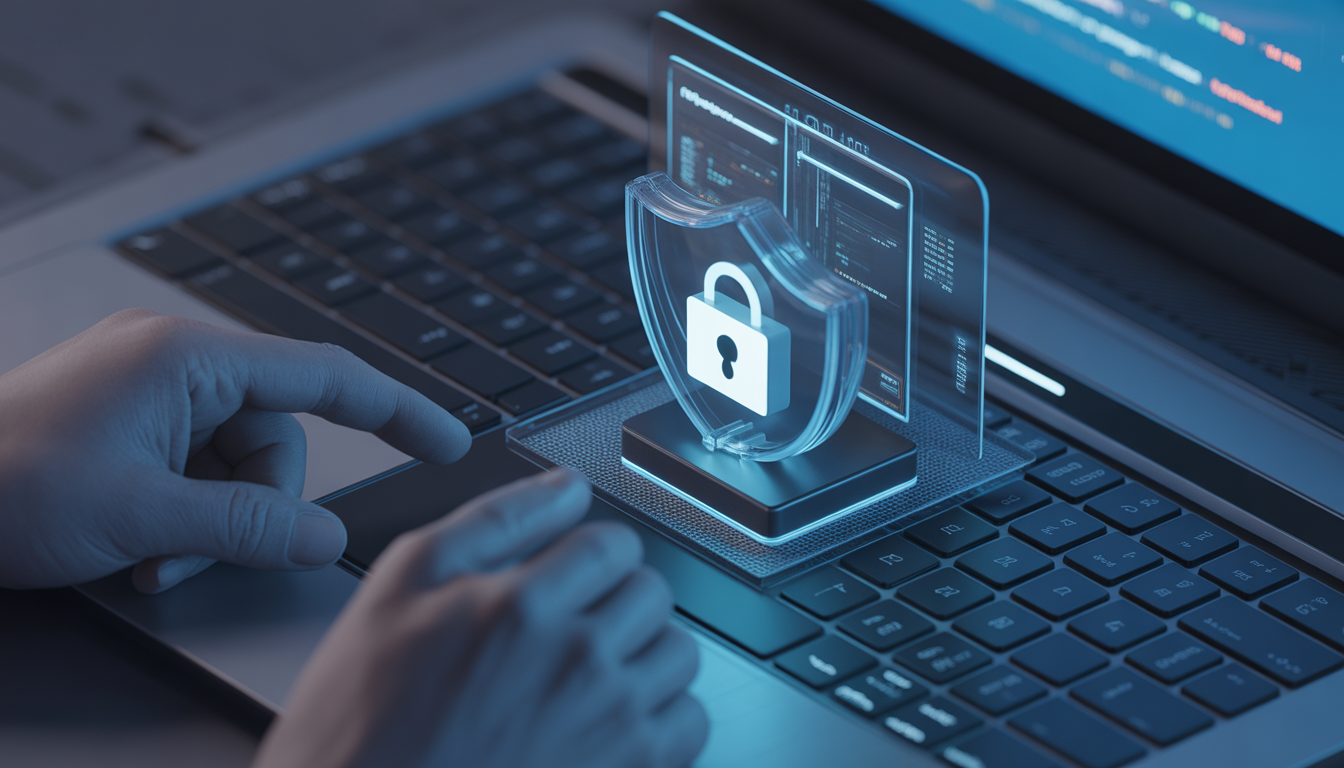
In today’s digital world, almost everything we do is connected to the internet. We store personal photos in the cloud, make online payments, communicate through social media, and manage our work using digital platforms. While this technology has made life more convenient, it has also created new risks. Cybercriminals are constantly looking for ways to steal personal information, financial data, and sensitive business details.
In 2026, cybersecurity has become more important than ever. As technology continues to evolve, hackers are also developing more advanced techniques to break into systems and exploit security weaknesses. From phishing attacks to ransomware and identity theft, cyber threats are increasing worldwide.
Major technology companies like Microsoft, Google, and Apple invest billions of dollars every year to improve cybersecurity and protect users from these threats.
Understanding cybersecurity and learning how to protect your data is essential for individuals, businesses, and organizations. In this article, we will explore cybersecurity in 2026, common cyber threats, and the most effective ways to protect your data from hackers.
What Is Cybersecurity?
Cybersecurity refers to the practice of protecting computers, smartphones, networks, and digital systems from unauthorized access, cyberattacks, and data theft.
Cybersecurity involves various tools, technologies, and strategies designed to keep digital information safe. It includes protecting personal data such as passwords, financial details, emails, and confidential documents.
As people rely more on digital platforms, cybersecurity has become a critical part of modern life.
Why Cybersecurity Is More Important in 2026
The digital world is expanding rapidly. Billions of devices are connected to the internet, including smartphones, smart home devices, laptops, and cloud systems.
This increased connectivity has created more opportunities for cybercriminals. Hackers can target individuals, companies, and even government systems.
Some key reasons cybersecurity is crucial in 2026 include:
1. Increase in Online Transactions
Online shopping, digital payments, and banking apps have become common. If security measures are weak, hackers can steal financial data.
2. Remote Work and Cloud Services
Many companies now use cloud platforms for work collaboration. These systems store large amounts of sensitive information.
3. Growth of Artificial Intelligence
Artificial Intelligence can improve security, but hackers are also using AI to launch more sophisticated cyberattacks.
4. Rising Data Value
Personal data is extremely valuable on the internet. Hackers often sell stolen data on the dark web.
Common Cyber Threats in 2026
Understanding common cyber threats is the first step toward protecting yourself online.
Phishing Attacks
Phishing is one of the most common cyberattacks. Hackers send fake emails or messages that appear to come from trusted companies.
These messages often ask users to click a link or enter sensitive information such as passwords or banking details.
Ransomware
Ransomware is a type of malware that locks a user’s files and demands payment to restore access.
Many businesses have suffered serious financial losses due to ransomware attacks.
Malware
Malware refers to malicious software designed to damage systems or steal information.
Examples include:
- Viruses
- Spyware
- Trojans
Malware often spreads through infected downloads or unsafe websites.
Identity Theft
Identity theft occurs when hackers steal personal information such as names, addresses, and financial details to commit fraud.
This can result in financial losses and damage to a person’s reputation.
Data Breaches
A data breach happens when hackers gain access to a company’s database and steal user information.
Large organizations sometimes experience data breaches that expose millions of users’ data.
How Hackers Attack Modern Systems
Cybercriminals use various techniques to exploit security vulnerabilities.
Some common hacking methods include:
Social Engineering
Hackers manipulate people into revealing confidential information. Instead of hacking systems directly, they trick users into giving access.
Weak Password Exploitation
If users create simple passwords like “123456” or “password,” hackers can easily break into accounts.
Software Vulnerabilities
Outdated software may contain security flaws that hackers can exploit.
Public Wi-Fi Attacks
Hackers sometimes monitor public Wi-Fi networks to capture sensitive data such as login credentials.
How to Protect Your Data From Hackers
Fortunately, there are many effective ways to protect your data and reduce the risk of cyberattacks.
Use Strong Passwords
Creating strong passwords is one of the most important security practices.
A strong password should:
- Be at least 12 characters long
- Include numbers and symbols
- Avoid common words
Using different passwords for different accounts is also essential.
Enable Two-Factor Authentication
Two-factor authentication adds an extra layer of security.
When enabled, users must enter a verification code in addition to their password. Many services from companies like Google and Microsoft offer this feature.
Even if a hacker obtains your password, they cannot access your account without the second verification step.
Keep Software Updated
Software updates often include important security patches.
Regularly updating operating systems, apps, and antivirus programs helps protect devices from known vulnerabilities.
Avoid Suspicious Links and Emails
Users should be cautious when opening emails from unknown senders.
If an email asks for personal information or encourages clicking a link urgently, it may be a phishing attempt.
Always verify the source before taking action.
Use Antivirus and Security Tools
Antivirus software helps detect and remove malware before it damages your system.
Many devices now include built-in security features developed by companies like Apple and Microsoft.
These tools monitor system activity and block suspicious threats.
Secure Your Wi-Fi Network
Home Wi-Fi networks should always be protected with strong passwords and encryption.
Changing the default router password and enabling WPA3 security can significantly improve protection.
Backup Important Data
Regular backups ensure that important files are safe even if a cyberattack occurs.
Users can store backups on external drives or cloud storage services.
This is particularly important in case of ransomware attacks.
The Role of Artificial Intelligence in Cybersecurity
Artificial Intelligence is becoming a powerful tool for cybersecurity.
AI systems can analyze massive amounts of data and detect unusual patterns that may indicate a cyberattack.
Companies are using AI to:
- Detect malware quickly
- Identify suspicious login attempts
- Prevent fraud and financial scams
- Monitor network activity in real time
However, hackers are also experimenting with AI to create more advanced attacks. This means cybersecurity systems must constantly evolve to stay ahead.
Cybersecurity for Businesses
Businesses face even greater cybersecurity risks because they manage large volumes of sensitive customer data.
Companies must implement strong cybersecurity policies, including:
- Employee cybersecurity training
- Secure cloud infrastructure
- Regular security audits
- Advanced threat detection systems
Failure to protect data can lead to financial losses, legal penalties, and reputational damage.
The Future of Cybersecurity
Cybersecurity will continue to evolve as technology advances.
In the future, we may see:
- AI-powered threat detection systems
- Biometric authentication replacing passwords
- Stronger encryption technologies
- Automated cybersecurity defense systems
Governments and technology companies worldwide are working together to strengthen digital security.
Conclusion
Cybersecurity is one of the most critical challenges of the digital age. As technology continues to advance, cyber threats are becoming more sophisticated and widespread.
Understanding common cyber threats and adopting strong security practices can significantly reduce the risk of data breaches and cyberattacks.
By using strong passwords, enabling two-factor authentication, updating software regularly, and staying alert to online threats, individuals and businesses can protect their valuable data from hackers.
In 2026 and beyond, cybersecurity will remain essential for maintaining privacy, protecting financial information, and ensuring a safe digital environment.
Frequently Asked Questions
What is the biggest cybersecurity threat today?
Phishing attacks and ransomware are among the most common cybersecurity threats today.
How can individuals improve cybersecurity?
Individuals can improve security by using strong passwords, enabling two-factor authentication, updating software, and avoiding suspicious links.
Why is cybersecurity important?
Cybersecurity protects personal information, financial data, and digital systems from hackers and cybercriminals.